Pedal Assist vs Traditional Cycling: What’s the Difference?

Cycling has long been a popular way to travel and stay active. It’s an affordable, practical form of transport and an excellent way to improve overall fitness.
But what if cycling could be made even easier and more accessible? That’s where pedal assist technology comes in.
Often referred to as e-biking, pedal assist combines the health benefits of traditional cycling with the added convenience of electric support. The result is a riding experience that feels familiar, but with a helpful boost when you need it.
In this guide, we’ll look at the main differences between pedal assist bikes and traditional bicycles, including their advantages, typical uses and key considerations. We’ll also highlight examples such as Cikada pedal assist e-bikes, helping you understand what’s currently available on the market.
Whether you’re an experienced cyclist or thinking about buying your first bike, this article will help you decide which option suits you best.
Understanding Pedal Assist Technology
Pedal assist represents a major step forward in cycling innovation. It uses an electric motor to support your pedalling effort, helping riders travel faster and further while reducing fatigue.
Most pedal assist bikes are equipped with sensors that monitor how hard you’re pedalling. These sensors adjust the motor’s output accordingly, creating a smooth and natural partnership between rider and machine.
This technology can make daily commuting far easier. Hills become less daunting and longer journeys feel more manageable, making cycling a practical choice for more people.
Some of the main benefits of pedal assist include:
- Reduced physical effort
- Increased travel distance
- Improved overall riding comfort
Because of this, pedal assist bikes make cycling more accessible to a wider range of riders, including those who might otherwise feel discouraged by fitness limitations or challenging terrain.
How Pedal Assist Works
Pedal assist systems rely on electric motors that activate when you begin pedalling. Sensors detect your movement and signal the motor to provide additional power.
The amount of assistance typically varies depending on factors such as speed, terrain and your chosen support setting. Riders can often select different levels of assistance, allowing them to tailor the ride to their needs.
Some bikes use torque sensors, which measure the pressure applied to the pedals. The harder you push, the more support the motor provides, resulting in a very natural riding feel.
Others use cadence sensors, which detect pedalling speed and adjust the motor output accordingly. Both approaches ensure the motor complements your effort rather than replacing it entirely.
The Evolution of Pedal Assist Bikes
Pedal assist technology has advanced considerably over the past decade. Early e-bike models were often bulky, heavy and limited in range, requiring frequent charging.
Today’s designs are far more refined. Improvements in battery technology have significantly increased both range and lifespan, while lighter materials have made bikes easier to handle.
Modern e-bikes often feature sleek, integrated designs, with motors and batteries built discreetly into the frame. This preserves the classic look of a traditional bicycle while delivering enhanced performance.
Software has also improved dramatically. Many models now include smart connectivity, allowing riders to track rides, adjust settings and monitor performance through dedicated apps. These innovations show just how far pedal assist systems have come.
The Advantages of Pedal Assist Cycling
Pedal assist bikes offer a range of benefits that appeal to many types of rider. Their versatility makes them suitable for commuting, leisure rides and fitness alike.
One key advantage is flexible exercise intensity. Riders can adjust the level of assistance depending on how challenging they want the ride to be.
Another important benefit is environmental impact. Compared with driving, e-bikes significantly reduce carbon emissions, making them a more sustainable travel option.
Pedal assist bikes also make cycling accessible to a broader audience, including people of varying ages and fitness levels.
Key benefits include:
- Improved cardiovascular health
- Lower environmental impact
- Greater accessibility for different riders
In practical terms, pedal assist bikes can also replace short car journeys, reducing traffic and making everyday travel simpler.
User-friendly controls and adjustable assistance levels make them easy to operate, even for beginners.
Health and Fitness Benefits
Pedal assist bikes encourage an active lifestyle without placing excessive strain on the body. Riders can cover longer distances without becoming overly fatigued, which makes them particularly appealing for beginners or those returning to exercise.
Because the motor assistance is adjustable, cyclists can increase or decrease the level of physical effort whenever they choose. This flexibility works well for commuting, casual weekend rides or structured training sessions.
Regular cycling with an e-bike can still support cardiovascular fitness. Riding outdoors also provides mental wellbeing benefits, allowing riders to spend time in fresh air and natural surroundings.
Environmental Benefits
Pedal assist bikes produce zero direct emissions, making them a far greener option than cars or motorcycles.
As more people adopt e-bikes, cities can benefit from reduced congestion and improved air quality. Many urban planners now see e-bikes as part of the solution to traffic and pollution challenges.
E-bikes can also complement existing public transport systems. They’re particularly useful for the “last mile” of a journey, helping commuters travel from stations to workplaces or homes efficiently.
Accessibility and Ease of Use
Pedal assist bikes help make cycling accessible to more people. Because they require less physical effort, riders of different ages and abilities can enjoy cycling comfortably.
Most models feature intuitive controls that allow riders to adjust assistance levels quickly and easily depending on the terrain.
They can also benefit individuals with reduced mobility, enabling them to experience the freedom and enjoyment of cycling without the same physical demands as a conventional bicycle.
Traditional Cycling: The Classic Approach
Traditional cycling represents the purest form of riding. Without motor assistance, cyclists rely entirely on their own strength and endurance.
For many riders, this simplicity is part of the appeal. Every kilometre travelled is powered solely by personal effort.
Traditional cycling also encourages a strong sense of achievement. Riders develop resilience, improve technique and gradually build stamina through consistent practice.
The experience offers a deeper connection to the journey itself. Feeling the terrain beneath the wheels and hearing the surrounding environment can create a calming, almost meditative ride.
For many cyclists, it’s not just exercise - it’s a lifestyle centred around simplicity and personal challenge.
Physical Effort and Workout Intensity
Traditional cycling requires continuous effort, engaging multiple muscle groups and improving endurance over time.
Climbing hills or covering long distances challenges strength and stamina, providing an excellent cardiovascular workout.
Without electric assistance, riders can naturally adjust their speed and intensity depending on the terrain and their fitness goals.
This variability makes traditional cycling particularly appealing for those seeking a challenging and rewarding workout.
Connection with Nature and Community
Cycling without assistance can create a stronger connection to the outdoors. Riders experience landscapes more directly, taking in fresh air and varied terrain along the way.
Traditional cycling also has a strong community aspect. Many riders join clubs, take part in organised rides or share favourite routes with others.
Events and group rides foster camaraderie and motivation, bringing together people who share a passion for cycling.
Comparing Pedal Assist and Traditional Bikes
Pedal assist bikes introduce modern technology into cycling, while traditional bicycles rely entirely on human power.
Each option suits different riding styles and goals. Pedal assist bikes make longer journeys easier, whereas traditional bikes appeal to riders seeking a more demanding workout.
Some key differences include:
- Power source: Traditional bikes rely solely on rider effort, while pedal assist bikes include an electric motor
- Speed: Pedal assist bikes can reach higher speeds with less effort
- Exercise level: Traditional bikes typically require greater physical exertion
- Cost: Pedal assist bikes usually involve a higher upfront investment
- Maintenance: E-bikes have more complex systems due to motors and batteries
Ultimately, the right choice depends on your priorities. Fitness-focused riders may prefer traditional bikes, while commuters often favour pedal assist for convenience.
Trying both styles through test rides can help you decide which feels right.
Performance and Speed
Pedal assist bikes often allow riders to maintain higher speeds with less effort, particularly when climbing hills.
Most models provide adjustable power modes so riders can adapt assistance levels to suit different terrain.
Traditional bikes, however, offer complete control over speed through pedalling effort alone. Many cyclists appreciate this direct connection between effort and performance.
Cost and Long-Term Value
Pedal assist bikes generally cost more upfront due to their motors, batteries and electronics.
However, they can reduce overall transport expenses by replacing short car journeys, saving money on fuel and parking.
Traditional bicycles tend to be more affordable to buy and maintain. Their simpler mechanical design means fewer specialised repairs.
Maintenance and Care
Both types of bike require routine maintenance such as checking tyre pressure and adjusting brakes.
Pedal assist bikes also require attention to battery condition and motor performance, which may involve professional servicing.
Traditional bikes are mechanically simpler, allowing many riders to carry out basic maintenance themselves.
Spotlight on Cikada Pedal Assist E-Bikes
Cikada pedal assist e-bikes combine modern design with practical performance. Their range includes models suited to both city commuters and adventure riders.
With powerful motors, long-lasting batteries and comfortable designs, Cikada bikes aim to make cycling more enjoyable and efficient.
Their user-friendly controls allow riders to adjust assistance levels easily, providing a smooth and adaptable riding experience.
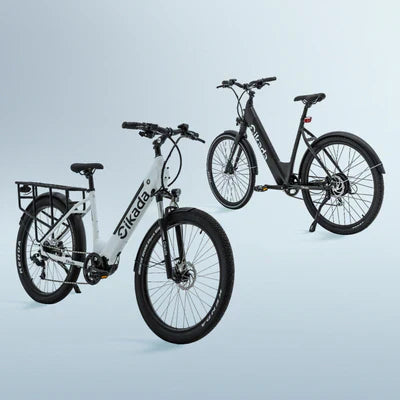
Two standout models include the Cikada Touring e-Bike and the Cikada City e-Bike.
Cikada Touring E-Bike: Built for Adventure
The Cikada Touring e-Bike is designed for riders who enjoy exploring longer routes and challenging terrain.
Its powerful motor helps tackle steep climbs, while the extended battery range supports longer journeys.
Comfort is also a priority, with ergonomic design and suspension features helping absorb bumps on uneven trails.
Whether riding through countryside paths or mountainous landscapes, the Touring model offers both reliability and excitement.
Cikada City E-Bike: Ideal for Urban Commuting
The Cikada City e-Bike is tailored for everyday travel in busy urban environments.
Its lightweight design and step-through frame make it easy to manoeuvre through traffic or crowded streets.
The efficient motor helps riders travel quickly while reducing the effort required for daily commutes.
For city dwellers looking for a convenient and environmentally friendly transport option, the City e-Bike is a practical solution.
Legal Considerations and Safety
Before riding a pedal assist bike, it’s important to understand local regulations.
E-bike laws can vary depending on location, including limits on speed and motor power.
Safety features are also essential for a secure riding experience. Reliable brakes, bright lights and reflective elements improve visibility and control on the road.
Wearing appropriate gear such as helmets and reflective clothing further reduces risk.
Regulations and Compliance
In many regions, pedal assist bikes are categorised based on motor output and maximum speed.
These classifications determine where the bikes can legally be ridden, such as roads, cycle paths or dedicated lanes.
Staying informed about local regulations helps riders avoid fines and ensures responsible use.
Staying Safe on the Road
Safe cycling begins with awareness. Riders should signal turns clearly and remain visible to other road users.
Bright front and rear lights are particularly important in low-light conditions. Reflective materials and mirrors can further enhance safety.
Regular maintenance, including checking brakes and tyre pressure, also helps ensure a smooth and safe ride.
The Future of Cycling
Pedal assist technology is likely to play an increasingly important role in the future of transport.
As cities expand, efficient and environmentally friendly mobility solutions are becoming more important.
E-bikes offer a practical alternative to cars, helping reduce congestion and pollution while encouraging active travel.
Their growing popularity suggests they will become a key part of modern urban mobility.
Pedal Assist and Smart Cities
Pedal assist bikes align closely with the concept of smart cities, where sustainable transport solutions are prioritised.
They provide a low-emission alternative to cars and can integrate easily with public transport systems.
Many cities are already improving infrastructure to support e-bikes, including dedicated cycling lanes and charging stations.
These developments are likely to accelerate adoption worldwide.
Innovations in Cycling Technology
Rapid technological progress continues to improve pedal assist bikes.
New materials are making frames lighter and stronger, while advances in battery design are extending riding range.
Smart features such as GPS navigation, ride tracking and app integration are also enhancing the overall cycling experience.
As innovation continues, pedal assist bikes will remain at the forefront of modern cycling technology.
Choosing the Right Bike
Ultimately, the best bike for you depends on your lifestyle, priorities and riding goals.
If convenience and assistance appeal to you, a pedal assist bike may be the ideal choice, particularly for commuting or longer rides.
If you prefer simplicity and a more demanding workout, a traditional bicycle offers a rewarding and authentic cycling experience.
Whichever option you choose, the most important thing is finding a bike that encourages you to ride more often and enjoy the journey.